
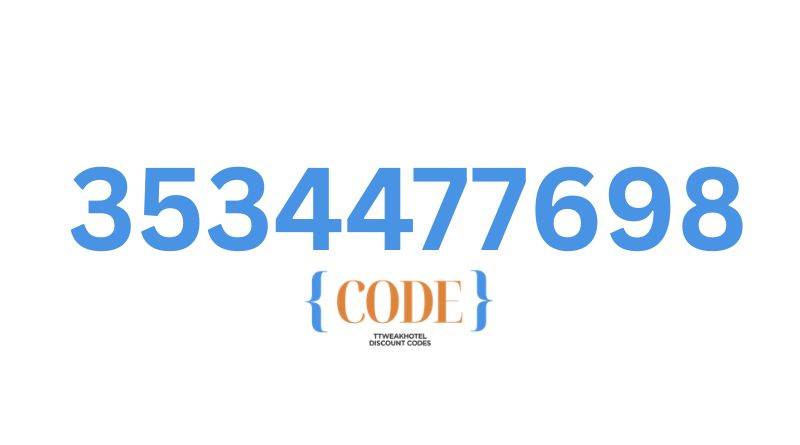
In the digital age, numbers often carry meanings beyond their simple mathematical value. A sequence like 3534477698 might appear to be just a random combination of digits, but such numerical identifiers can hold significance in areas like telecommunications, digital records, verification systems, and data organization. As societies become increasingly dependent on digital infrastructure, structured number sequences are used to identify users, transactions, devices, and services efficiently. Understanding how such numeric strings function can help individuals and businesses navigate modern communication and information systems more effectively.
The number sequence 3534477698 may be used in various contexts, such as contact identification, system-generated references, or database indexing. Whether it appears in a phone log, online account, or technical record, structured numerical identifiers serve as essential tools for maintaining order in complex digital networks. This article explores the importance, uses, and best practices associated with numeric identifiers, focusing on how sequences like 3534477698 can be relevant in everyday digital life.
Understanding Numeric Identifiers in the Digital World
Numeric identifiers are unique strings of digits assigned to distinguish one item from another. In the modern world, numbers are often more reliable than names because they reduce confusion and duplication. For example, two individuals may share the same name, but a unique number ensures accurate identification.
A sequence such as 3534477698 could represent a phone contact, account reference, or transaction ID. Systems that rely on numerical identification benefit from increased efficiency because numbers are easier to process by computers than long text descriptions. Databases, for instance, use numeric keys to retrieve information quickly.
Numbers also provide a standardized way to organize information. When companies and institutions manage millions of records, consistent numbering systems help maintain order. Without numeric identifiers, managing large-scale digital information would become extremely difficult.
Role in Communication Systems
One of the most common uses of numeric sequences is in communication networks. Telephone systems rely entirely on numbers to connect people across distances. A sequence like 3534477698 might be used as a contact number or service identifier within a telecommunications network.
Communication providers assign numbers to subscribers so that calls and messages can be directed accurately. Each number is unique within a region, ensuring that communication reaches the intended recipient. These identifiers also help service providers maintain billing records, monitor network activity, and provide customer support.
In addition, numeric identifiers are often used in messaging services and verification systems. When users sign up for online platforms, they may receive confirmation codes or account references that resemble long numeric strings. These codes help verify identity and protect accounts from unauthorized access.
Importance in Data Management
Data management systems rely heavily on numeric identifiers to organize and retrieve information. Databases often assign unique numbers to entries so they can be located quickly and accurately.
For example, a system may assign 3534477698 as a reference number for a specific record. This number can then be used to retrieve the record without confusion. Numeric indexing improves performance and reduces the risk of errors compared to manual searching.
Organizations such as banks, schools, and government agencies depend on these numbering systems. They allow administrators to track records efficiently and maintain consistency across multiple departments. Numeric identifiers also simplify auditing and reporting processes.
Security and Verification Benefits
Security is another major reason for using numeric identifiers. Unique number sequences help protect systems by ensuring that each user or transaction can be tracked accurately.
Verification codes, account numbers, and digital tokens often consist of long numeric sequences. These numbers are difficult to guess, making them useful for authentication. A sequence like 3534477698 could serve as a temporary verification code or permanent account reference.
Using numeric identifiers also helps prevent fraud. When each transaction or account has a unique number, suspicious activity can be detected more easily. Security systems can track patterns and identify irregular behavior.
Another advantage is traceability. Numeric identifiers create a record that can be reviewed later if questions arise. This is especially important in financial and legal environments where accurate documentation is essential.
Practical Uses in Everyday Life
Many people encounter numeric identifiers daily without realizing their importance. Phone numbers, order numbers, and registration codes are all examples of structured numeric systems.
A number such as 3534477698 might appear in several practical situations:
- A contact number saved in a mobile device
- An order reference for online shopping
- A service request number
- A tracking ID for deliveries
- A verification code for account access
These identifiers simplify interactions between users and systems. Instead of remembering complex details, users can rely on short numeric references.
Businesses also benefit from these systems. Numeric identifiers make customer service more efficient because representatives can quickly locate records using reference numbers.
How Numeric Sequences Improve Efficiency
Efficiency is one of the biggest advantages of numeric identification systems. Computers process numbers faster than text, allowing systems to operate smoothly even with large amounts of data.
When a system uses numeric identifiers, searching and sorting become easier. A database can locate a record associated with 3534477698 in milliseconds. Without numeric indexing, the same process could take much longer.
Automation also depends heavily on numbers. Many automated processes use numeric inputs to perform tasks. For example, automated billing systems rely on account numbers to generate invoices accurately.
Numeric identifiers also reduce errors. When information is stored using standardized numbers, there is less chance of confusion caused by spelling mistakes or inconsistent formatting.
Best Practices for Handling Numeric Identifiers
Handling numeric identifiers properly is important for both individuals and organizations. Careless management can lead to security risks or data loss.
One important practice is keeping numbers confidential when necessary. Account numbers and verification codes should never be shared with unauthorized individuals. Protecting these identifiers helps prevent fraud and identity theft.
Another important step is storing numbers securely. Digital records should be protected with passwords and encryption whenever possible. Physical copies should be kept in safe locations.
Accuracy is also essential. Entering a number incorrectly can lead to serious problems, such as sending information to the wrong recipient. Double-checking numeric entries helps avoid mistakes.
Regular updates and backups are also recommended. Maintaining copies of important records ensures that information is not lost if a system fails.
Future of Numeric Identification Systems
As technology continues to evolve, numeric identifiers will remain essential. However, their role is likely to expand as new systems are developed.
Emerging technologies such as digital payments, smart devices, and online services rely heavily on unique identifiers. Numeric sequences will continue to be used to connect users with services efficiently.
Advanced systems may combine numeric identifiers with other forms of identification, such as biometric data. This combination can improve both security and convenience.
The importance of structured numbering systems will only increase as digital networks grow larger and more complex. Reliable identifiers will remain a key part of managing modern information systems.
Conclusion
Numeric identifiers play a crucial role in modern digital environments. Although a sequence like 3534477698 may seem simple, it represents a powerful tool for organizing information, enabling communication, and maintaining security.
From communication networks to database management, structured numbers help systems operate efficiently and accurately. They allow individuals and organizations to interact with technology in a reliable way.
As digital systems continue to expand, numeric identifiers such as 3534477698 will remain essential components of everyday life. Understanding their importance can help users make better use of technology while maintaining security and efficiency.